
The essential answer
Weigh flexibility, walking distances, access to pedestrian areas and how much of Rome you want to cover. Walking tours let you linger inside narrow streets and pedestrian squares; golf cart tours help bridge longer distances between districts without relying entirely on long walks.
What you will experience
The important difference is not that one reaches every site and the other does not. Vehicle restrictions in Rome mean some famous squares still require a short walk.
Suggested landmarks and itinerary
Map points show places of interest, not drivable roads. Stops, access and order depend on the booked tour.
-
Turtle Fountain
The Turtle Fountain in Piazza Mattei is the historic starting landmark near Via della Reginella.
-
Pantheon
A remarkably preserved ancient Roman building; entry is separate from external sightseeing.
-
Piazza Navona
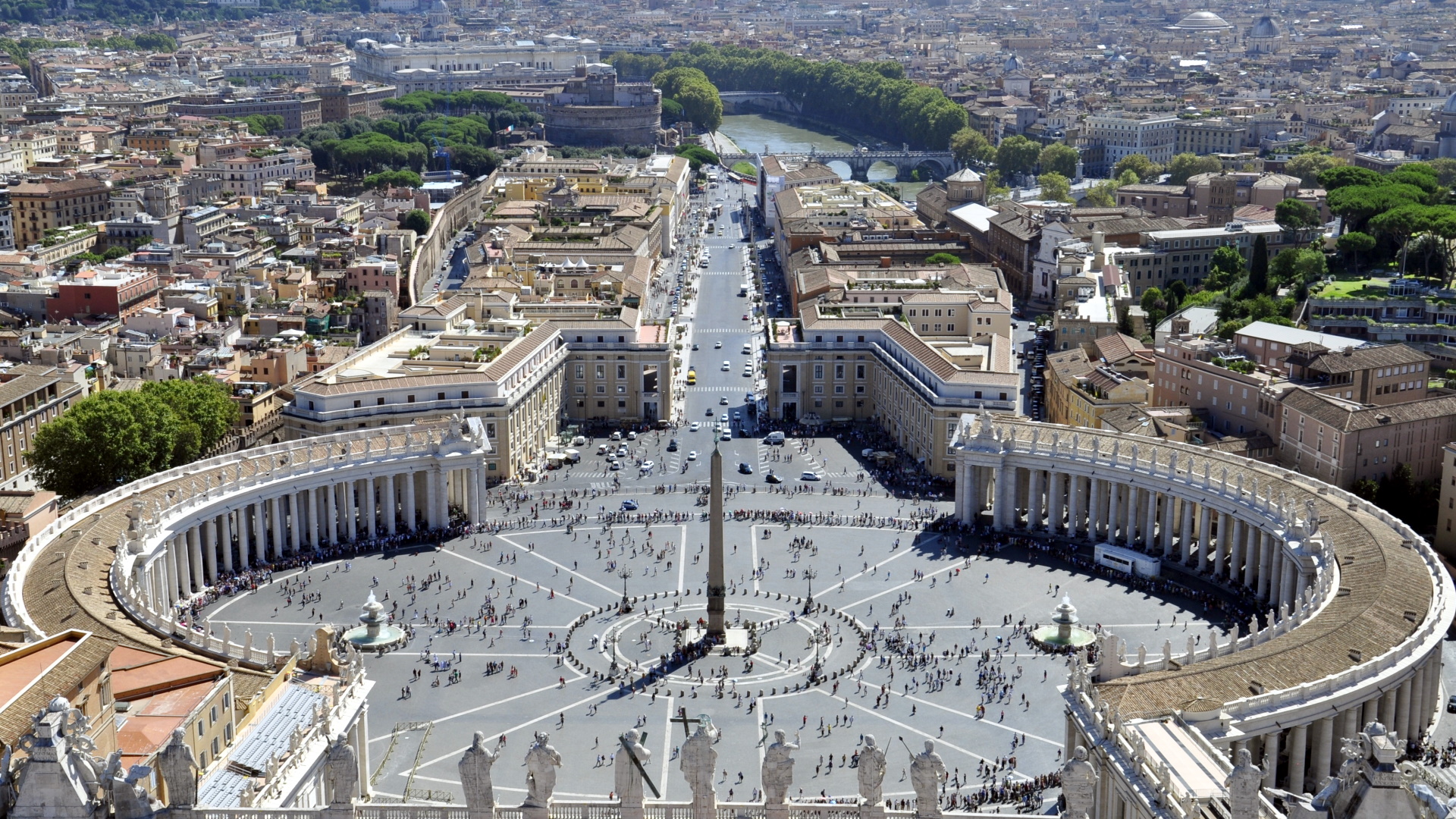
An elongated Baroque piazza built over the ancient Stadium of Domitian, best enjoyed on foot.
-
Trevi Fountain
The celebrated Baroque fountain is in a pedestrian area; a nearby stop and a short walk may be necessary.
See route highlights on the map
Map points show places of interest, not drivable roads. Stops, access and order depend on the booked tour. · © OpenStreetMap contributors
OpenStreetMap ↗Practical planning advice
Choose a walking tour if close inspection of a compact neighbourhood is your priority. Consider a golf cart if you want a wider spread of landmarks, have limited time or prefer seated transfers. A combined approach—cart between districts and short walks at highlights—can work particularly well.
Request availability and prices →Frequently asked questions
Will a golf cart eliminate all walking?
No. Pedestrian areas and vehicle restrictions can require walks to the final viewpoint or monument.
Is walking better inside historic squares?
Yes, pedestrian-only areas such as Piazza Navona are best experienced at walking pace.